Understanding Audi Key Technology Before Replacement Begins
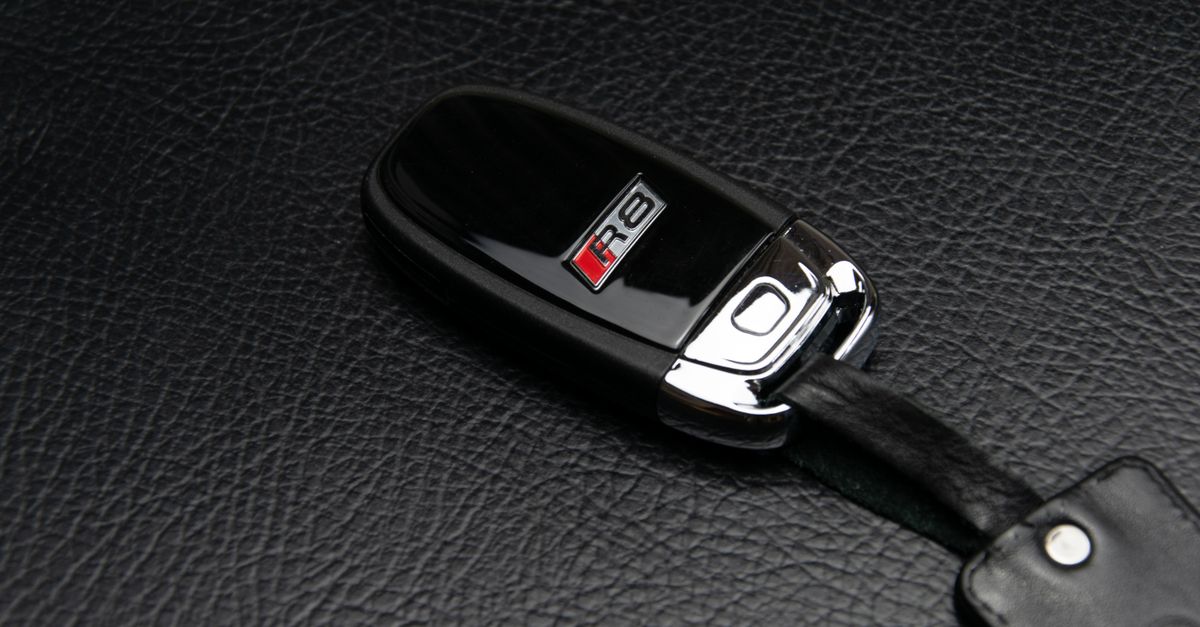
Audi has evolved its key systems significantly across model generations, and knowing which type your vehicle uses is the first step toward a correct, functional replacement. Older Audi models from the late 1990s and early 2000s use basic transponder keys — a chip embedded in the key head that communicates with the vehicle's immobilizer. If the immobilizer does not recognize the chip's signal, the engine will crank but refuse to start. Mid-generation Audis introduced flip keys with integrated remote fobs, combining physical blade cutting with radio-frequency buttons for lock, unlock, and trunk release. Newer Audi models — particularly from the A4, A6, Q5, Q7, and e-tron lines — use proximity smart keys that only require the fob to be in your pocket or bag; the door handle capacitive sensor detects its presence and the start button does the rest. Each of these types demands a different replacement process, different blank hardware, and a different programming protocol.
Our technicians carry blank key stock and the diagnostic equipment required to read your vehicle's onboard computer, generate the correct transponder or smart key code, and write that code to a new key — all roadside, without damage to your vehicle's electronics. We do not use one-size-fits-all workarounds; Audi's encrypted key communication is respected and handled through proper automotive programming procedures. Before any programming begins, we confirm ownership through documentation such as your title, registration, or matching ID, because cutting and programming an Audi key without that verification is something no responsible mobile locksmith should do.